
How to Tell if Your Vehicle Has Hidden Damage After a Collision: collision repair philadelphia
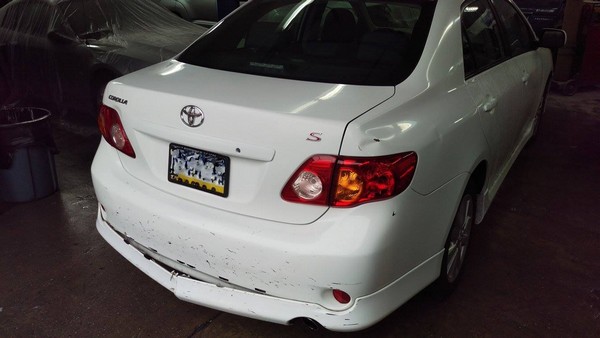
After a crash, many drivers only notice the obvious dents and paint scuffs. In Philadelphia, PA, that first look can be misleading. Hidden structural, suspension, and alignment issues can sit beneath straight-looking panels and cause bigger problems later. If anything feels “off,” schedule collision repairs with a trusted local shop before those small issues turn into safety risks.
Why Hidden Damage Happens In Philadelphia, PA
Hidden damage is common here because city driving is tough. Impacts at low speeds on narrow South Philly streets, sudden stops on I‑95, or a nudge in a Center City garage can twist metal you cannot see. Winter freeze-thaw cycles and spring potholes on Roosevelt Boulevard or Kelly Drive add extra stress. What looks like a simple bumper tap can shift parts behind the cover, knock sensors out of position, or bend mounting points by a few millimeters.
Clear Signs Your Car Has Hidden Collision Damage
Even if your vehicle looks fine, watch and listen during the first few drives after the accident. Small changes often signal bigger problems hiding underneath.
- Pulling to one side, off-center steering wheel, or a new vibration at city speeds
- Uneven tire wear that starts fast, or a tire that rubs during tight turns
- New dashboard lights like airbag, ABS, or stability control
- Doors, trunk, or hood that catch, pop up, or won’t line up cleanly
- Wet spots under the car, musty smells, or foggy headlamps after rain
If you notice any of these right after a crash, do not ignore them. They often point to misalignment, bent brackets, cracked housings, or stretched wiring that needs a professional inspection.
Structural And Frame Clues You Might Miss
Modern cars use unibody structures that spread impact forces through rails, aprons, and crossmembers. A small kink or twist hides well behind plastic liners. Look for growing gaps where fenders meet doors, a hood that sits high on one corner, or a latch that suddenly needs extra force. Those are classic signs of structure shifting out of spec.
Because this damage is measured in millimeters, it takes dedicated equipment to confirm. Shops use computerized measuring systems to compare key points to OEM data. If you keep driving with a bent point, other parts start to wear out faster. Your car can still track straight on day one and drift badly a week later.
Steering, Alignment, And Suspension Red Flags
Philadelphia roads amplify post‑accident issues. A curb strike in Fishtown or a pothole near the stadiums can finish what the crash started. Warning signs include shimmy under braking, clunks over bumps, or a steering wheel that returns to center slowly.
- Toe or camber out of range causes feathered tread and squeals when turning
- Bent control arms or struts create a pull that an alignment alone won’t fix
- Damaged wheel bearings or hubs hum or grind at highway speeds
Alignment that will not hold is often a symptom, not the core problem. Something is bent or stressed past its limit.
Electronics, Sensors, And Safety Systems After A Crash
Today’s vehicles rely on cameras, radar, and sensors for features like lane keeping, adaptive cruise, and emergency braking. A minor collision can nudge a bracket or push a bumper cover just enough to misread the road. That may trigger a warning light or, worse, reduce system performance without a light at all.
Proper post‑accident service includes pre‑ and post‑repair scans and, when required, ADAS calibration. In a dense city like Philadelphia, sensor accuracy matters. A camera that is a few degrees off can drift you toward a lane line or misjudge the car ahead in stop‑and‑go traffic.
Local insight: After winter storms, road salt and repeated freeze‑thaw cycles can corrode fasteners that hold sensors and splash shields. If you were hit during winter or early spring, ask your shop to check those areas closely. A simple bracket issue can cause months of strange warnings.
What A Professional Post‑Accident Inspection Includes
A thorough inspection is more than a quick look at the bumper. A qualified Philadelphia auto body team follows a repeatable process to uncover what you cannot see.
Here is what a complete inspection typically involves:
- Initial road test to document noises, pull, vibration, and brake feel
- Computerized pre‑scan for fault codes in safety and powertrain systems
- Full teardown of the impact area to expose brackets, absorbers, and crash boxes
- Structural measurements against OEM data to confirm the body is in spec
- Steering and suspension checks for bent arms, knuckles, and subframe shifts
- Wheel alignment measurements with printouts before any final assembly
- Post‑repair scan and system calibrations, followed by a second road test
Cosmetic work comes last. Paint should happen only after the structure and systems are verified. If refinishing is needed, related panels are blended so the finish matches. You can learn more about surface work on the body repairs page.
Why Timely Repairs Protect Your Safety And Your Car
Philadelphia stop‑start traffic hides issues that show up under load later. A slightly bent tie rod may feel fine on Passyunk Avenue but wander on the Schuylkill Expressway. Leaks that start as a drop on your driveway can lead to overheated parts or brake fade. Small alignment errors eat tires quickly and force more frequent replacements.
Waiting rarely saves money with hidden collision damage. The longer you drive, the more parts wear out around the original problem. Fixing the root cause early helps the repair last and keeps you and your passengers safer.
How A&M Auto Body Checks For Hidden Damage In Philadelphia
Our team sees the same pattern again and again: visible scuffs with invisible problems beneath. At A&M Auto Body, we document concerns on a test drive, perform pre‑scans, and open the impacted area to inspect absorbers, mounts, and brackets. If measurements show the structure is out of spec, we correct it before any finish work begins. When the vehicle requires calibration, we complete it and verify on a controlled road test around South Philadelphia and nearby highways.
Drivers often tell us they only wanted “a quick fix.” We understand. But quality and safety come from a full repair plan. If you need a deeper assessment, schedule professional collision repairs so we can check alignment, structure, and safety systems the right way.
When To Book An Inspection After A Crash
Do not wait until the next inspection sticker or tire change. If any of the signs above appear in the first few trips, book a visit now. Even if your insurer already wrote an estimate, a supplemental review is common when hidden damage is found during teardown. If you are still choosing a shop, start with a local team experienced in collision repair in philadelphia and ask how they verify structure and calibrate safety systems.
Real‑World Philadelphia Examples
Here are common post‑accident stories we hear in the city:
A rear bumper “tap” in a South Street parking spot looked harmless, but the impact bar was pushed just enough to misalign the trunk latch. The car began leaking water into the spare tire well after heavy rain. Opening the rear panels revealed a cracked absorber and bent brackets. Quick cosmetic work alone would not have found that.
An SUV on Roosevelt Boulevard developed a steering shimmy a week after a side impact. The first alignment seemed to fix it, but the pull returned. Measurement showed a shifted subframe and a slightly bent lower control arm. Correcting those, then aligning again, finally solved the issue.
What To Expect From A Quality Repair
A good repair brings your vehicle back to pre‑loss condition. Body gaps should be even. The steering wheel should sit centered. There should be no clunks, squeaks, or new warning lights. Paint should match panel to panel in daylight and under streetlights. If anything feels different after pickup, call right away so the shop can recheck it.
Finish work matters too. After structure and alignment are right, the paint team blends and refinishes so the repair disappears. If your vehicle needs finishing work after collision service, explore our approach to refinishing to understand how we match color and gloss.
Your Next Step In Philadelphia, PA
If you have been in a crash anywhere in the city or suburbs, do not rely on a quick glance at the bumper. Book a thorough post‑accident evaluation with A&M Auto Body. We will measure, scan, and road‑test until we are confident your vehicle is safe and ready for daily Philly driving. To get started, schedule collision repairs today or call 215-271-2898 to speak with our team.